
 Fundación Asturies XXI opened «La sidre na emigración asturiana» in Bimenes, an exhibition that preserves the memory of those who took cider culture across the Atlantic and invites reflection on migration, past and present
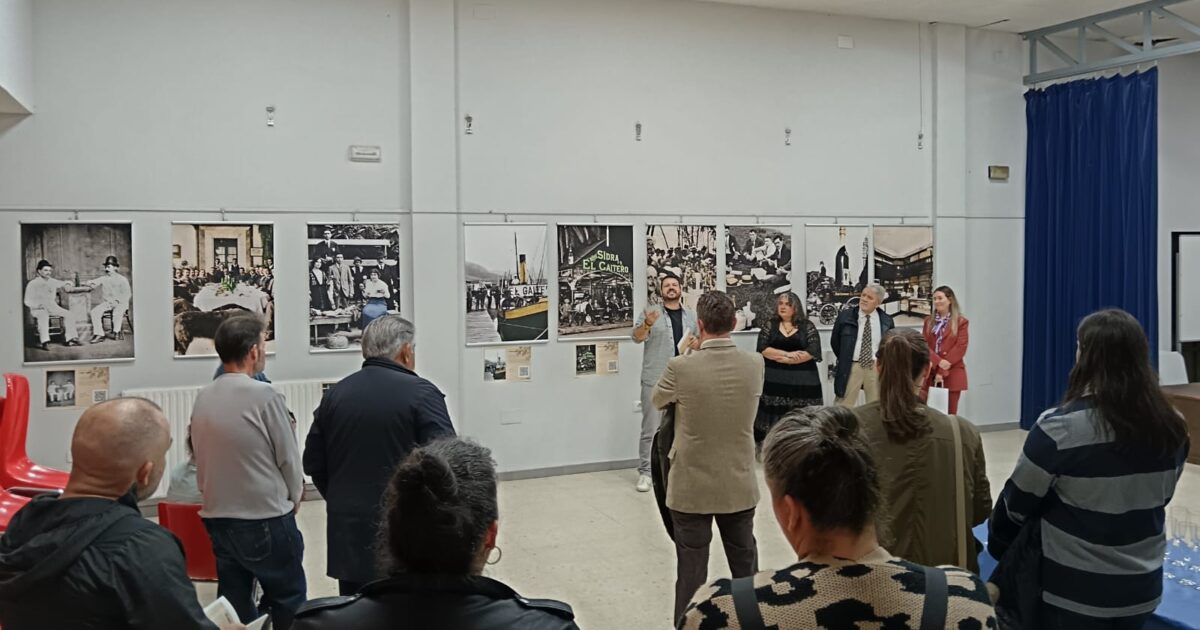
LA SIDRA.— A bottle of cider in a portrait from 1870 can tell us far more than it might seem. It speaks of the homeland left behind, the customs packed into a suitcase and the need to remain part of a community thousands of kilometres from home. This is the story visitors are invited to discover in «La sidre na emigración asturiana» (Cider in Asturian Emigration), which opened on Friday, 30 October, at the Casa de Cultura in Santuyano, Bimenes.
Organised by Fundación Asturies XXI and curated by Llucía Fernández Marqués, the exhibition brings together twenty items documenting the presence of cider among Asturian communities in the Americas in the early twentieth century. Speakers at the opening included the Mayor of Bimenes, Aitor García Corte; the Director-General for Emigration and Return Policies, Olaya Gómez Romano; the Foundation’s president, Marcos Abel Fernández Marqués; and the curator herself.
A common thread ran through the opening: remembrance and respect for those who had to leave Asturies in search of a better life. Behind the photographs lie celebrations, businesses and gatherings, but also family separations and the effort to preserve an identity and maintain ties with the homeland.
Aitor García Corte highlighted precisely this ability of Asturian emigrants to take their culture with them, including cider. That sense of belonging is rebuilt in their new homes through personal relationships and community associations. “Wherever two Asturians meet, an Asturian centre is born,” the mayor remarked, humorously summing up the determination to stay together even far from home.
Marcos Abel Fernández Marqués called for recognition of all Asturian emigrants and recalled that migration to the Americas was not the country’s last major population exodus. His speech covered exile following the repression of the 1934 revolution, the defeat of the Sovereign Council in 1937, and emigration during the 1960s, driven primarily by economic necessity.
The Foundation’s president also brought the discussion into the present. He warned that emigration continues to shape Asturian life and stated that 50% of Asturians aged between 18 and 35 live outside their homeland.
Olaya Gómez Romano invited those attending to consider this history in light of the experiences of people arriving in Asturies today from other countries in search of a better life. Her speech drew parallels between those earlier experiences and present-day migration, stressing the need to remember that, before becoming a welcoming land, we were already emigrants ourselves.
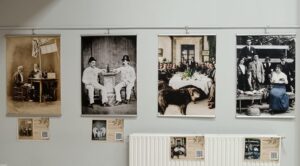
The exhibition’s documentary material spans the period from 1870 to 1947. Among the images, two daguerreotypes taken in Mexico and Cuba in 1870 and 1885 respectively stand out for both their age and their composition: the presence of cider in these portraits invites viewers to consider the value attached to it and its role in expressing identity.
To conclude the speeches, Llucía Fernández Marqués invited those attending to join her on a tour of the exhibition. The guided visit offered an opportunity to examine the details of each item and discover the stories these images help reconstruct.
Representatives of several associations and institutions attended, including the Cátedra de la Sidra, the Academia de la Llingua Asturiana and the Centru Asturianu d’Uviéu. Chilean and Argentine ciders were served alongside Asturian brands with a presence in those countries, offering a way to share the connections documented in the photographs.
The exhibition has already received requests from local councils and community centres across Asturies to host it as it continues its journey. The memory it preserves is thus setting out on the road once again, this time to tell audiences here how cider culture was kept alive across the Atlantic.


