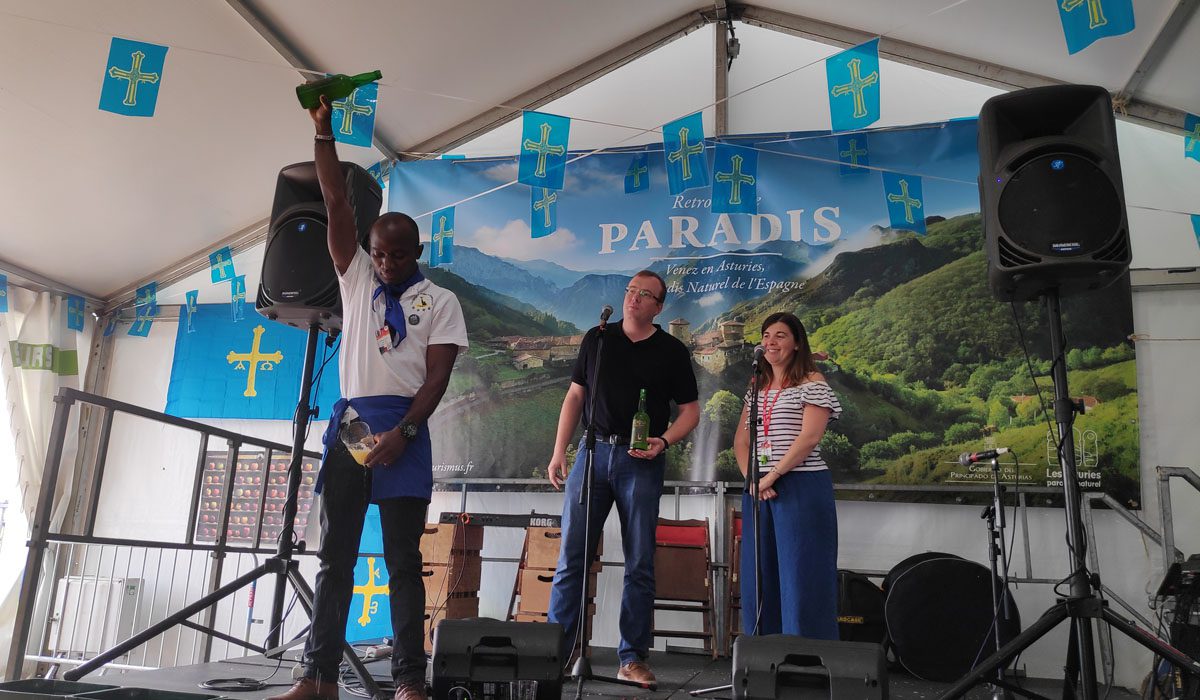
Having cider on the menu is not enough. Service, pouring, temperature, conversation and social relationships are part of a cider house model that is becoming harder to find.
LA SIDRA.- What makes it possible to call an establishment a chigre, a traditional Asturian cider house?
The answer does not lie in the drink alone.
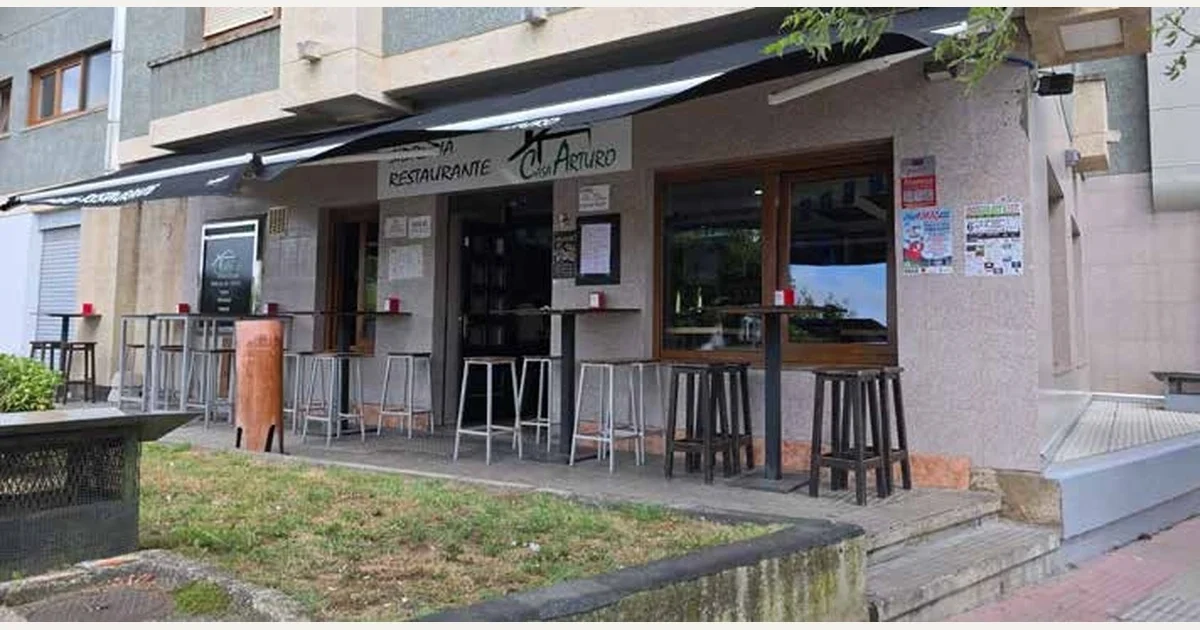
A bar can sell cider without necessarily operating as a traditional chigre. LA SIDRA’s reports on establishments such as Casa Arturo in Piedras Blancas, or historic places such as La Silla del Rey in Uviéu, make it possible to identify some shared elements.

The first is service.
Cider is not treated as just another bottle. Its temperature, storage and the way it is poured are part of the experience.
The second is the role of the waiter or chigrero. When that person approaches to pour a culín, a small serving of cider, the service inevitably creates a moment of contact with the customer.
The third element is social.
A chigre is a place for drinking, but also for talking, commenting, singing, discussing football and keeping up with neighbourhood life.
La Silla del Rey remained associated with that traditional model for more than four decades: poured cider, a counter full of bottles and a clientele built over generations.
There is no mathematical formula that determines where a bar ends and a chigre begins.
But there is a culture of service and shared social life that makes the difference recognisable.
Those everyday elements are an essential part of Asturian Cider Culture.
Related reading
- If cider is not poured, is it a chigre?
- Cider houses and the application of regulations
- The book of Asturian cider culture
- Casa Vila, a traditional cider house and shop
- LA SIDRA 269